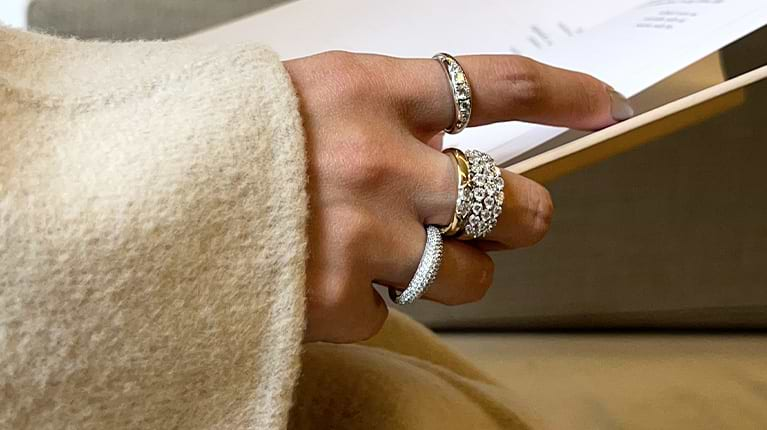
More people pick lab made diamonds
Heavy meaning has always hung around lab created diamonds hoops. Tied up in big life moments, how people dress themselves, what lasts beyond trends. Yet lately, shoppers see these stones with fresh eyes. Not just bowing to old rules – instead weighing real-world use, price tags, who made them and why. Most folks now notice lab diamonds more than before. Not fake at all – these sparkle just like earthborn ones. Created quietly under precise settings where science copies natural deep-earth forces. Exactly alike on the inside, down to atoms, strength, texture, shine. Ask someone shopping today if they doubt a lab diamond’s truth – chances are, silence follows. Truth is, it comes down to how well they suit what you’re after. Which really hinges on your priorities.
How lab created diamonds differ
Deep below Earth’s surface, natural diamonds take shape across unimaginable timespans. Weeks, not eons, mark the creation window for lab made stones. Their beginnings set them apart – pressure and time versus machines and science.
- High Pressure High Temperature process
- Chemical Vapor Deposition process
One way or another, each process forms real diamonds – nothing imitation. After shaping and smoothing, telling them apart from earth-mined stones takes advanced tools. Experts assess them just like traditional ones: cut, how clear they look, hue, and size matter equally. So when crafted carefully, lab-made gems shine just as sharply and last just as long.
Buyers Focus on Cost
Most folks start looking here because of cost. Lab created stones typically run cheaper than natural ones that match in clarity and cut. Savings shift with carat weight and rating. Shopping habits adapt when budgets stretch further. Most people don’t have to pick just one thing when buying a gem. One person might go for something bigger, even if it shows flaws. Another could stick to a tighter spending limit but aim for sharper brilliance or fewer marks inside the stone. For instance, someone working with set funds might take home a compact natural diamond that has noticeable imperfections. Or they might get a roomier lab-made version without blemishes at the same cost. This kind of choice becomes useful when picking pieces meant to be worn every day.
How This Changes Hoop Earrings
Every time you move your lab created diamonds, hoop earrings catch light through their stones. Rings usually show off just a single gem right in the middle, but hoops build impact by lining up several gems along their curve. This means each diamond needs to match its neighbor closely. When choosing lab grown diamond hoops, people tend to pay attention first to sparkle, then shape of the stones, finally how evenly they’re set around the circle
- Uniform sparkle across all stones
- Comfort during long wear
- Everyday toughness built right in
When lab diamonds are made they come out more alike so pairing them in styles like hoop earrings or line bracelets feels simpler. It isn’t driven by fashion but by how things work daily. Earrings worn every day show small differences in shade or purity after a while.
Daily Wear Shapes Perception Beyond Ads
Everyday wear puts unique pressure on accessories compared to pieces saved for special moments. Hoops should feel steady without pulling – clasp strength and even weight spread make a difference. Settings ought to glide smoothly, never snagging fabric or strands. A diamond might shine bright, yet how it’s set plays an equal role. Look closely at construction when choosing your pair
- Closure strength
- Total weight
- Stone placement
- Metal type
- Comfort after several hours
Heavy hoops might seem striking on screen yet prove awkward when worn too long. Tiny versions usually suit everyday life since they balance noticeability with ease.
Quality Made Simple
Most people feel confused when they see complicated gem ratings. Truth is, just several things truly affect how it looks every day.
Cut Quality
A wobbly shape steals shine faster than nearly any flaw. A top clear stone might still look flat when sliced wrong. With earrings, matching how they catch light becomes key since both must bounce rays alike.
Clarity
Most times earrings do not need top clarity marks. Tiny flaws tend to vanish when seen from a usual spot. Smart choices matter here. Rather than spend extra on flawless reports people pick gems that look clear up close.
Color
Some people pick colors based on the metal they like. Higher color grades tend to shine next to white gold or platinum. When set in yellow gold, a hint of warmth fades into the background. The eye adjusts differently depending on the surrounding hue.
What Buyers Miss
Most folks fixate on diamond specs, yet overlook how it’s made. Big error. A weak setting harms longevity worse than tiny flaws in color or clarity ever could. Pay attention here
- Prong symmetry
- Hinge construction
- Clasp security
- Metal thickness
Over years, delicate thin hoops might save money yet often warp under daily use. What holds gems tight matters – craftsmanship here means less trouble down the road.
Buying Habits Shift Over Time
Looking up details comes first these days when buying jewelry. Before clicking buy people check lab results glance at reviews dig into refund rules. Honesty matters more than ever. This shift changed how lab grown stones reach customers. Plenty of sellers include extra proof now
- Detailed grading information
- Magnified stone images
- Certification reports
- Side by side comparisons
When shoppers get clear information, they tend to choose with less pressure, stepping back from flashy displays. A quieter moment of thought replaces quick reactions shaped by bright lights and perfect layouts.
When lab grown diamonds are practical
Most people look for different reasons when buying jewelry. For some it is about how rare an item feels or what happens to its worth over years, especially with natural diamonds. Yet others care most about how a piece looks daily, whether it fits their lifestyle easily, and where it lands on price compared to choices they know. A diamond grown in a lab might fit right into plans when your main thought leans toward practicality without losing visual appeal
- Big enough to see clearly without spending more
- Matching stones in multi diamond jewelry
- Everyday wear without excessive cost
- Modern purchasing transparency
Most folks see earrings as something worn daily, not saved for later. This shifts what worth even means.
Things to Look at Before Buying
Before purchasing any diamond jewelry review a few basic points carefully.
Certification
Avoid skipping the lab report – trust only IGI or GIA stamps. Marks from known labs like these mean more than a shiny label ever could. Skip any stone missing that paperwork trail.
Return Policy
Still, showing up in person holds weight even with photos around. Having time to send things back makes choices less rigid.
Metal Choice
Heavy feel might matter if you wear it daily. Though strong, platinum brings more weight on the skin. Skin reactions differ, so check how each type responds over time. Color shifts happen – gold changes based on what mixes into it. Strength varies too, depending on that blend.
Sizing and Weight
Wearing big hoops every day might leave you feeling drained. Try checking sizes instead of just looking at pictures when you can.
The Role of Personal Preference
Choosing jewelry mixes facts with feelings. Because one person values where a stone comes from, another might focus on how it looks and works every day. One way isn’t always better than the other. What really counts is knowing exactly where your money goes – why it holds value for you. Picking smart lab grown diamond hoops means toughness, sparkle, strong daily function, all while looking just right. These days, a growing number skip old habits passed down through earlier diamond shoppers. Straightforward thinking takes over instead. What happens when life gets busy and jewelry stays on? Does it still feel light hours later? Is it worth what you pay? These thoughts tend to bring clearer choices.
Common Questions
Are lab grown diamonds durable enough for daily earrings?
Fine. Just like natural stones, these share identical toughness and makeup – so daily use works without issue.
Can you tell the difference between mined and laboratory diamonds by appearance?
Most times it won’t work. Spotting the true source typically takes tools made for that job.
Do lab created diamonds hoops hold value?
Even though they might hold onto a bit of worth, their secondhand market isn’t like that of real diamonds. Owning one usually matters more for how it looks on someone than what it could sell for later.