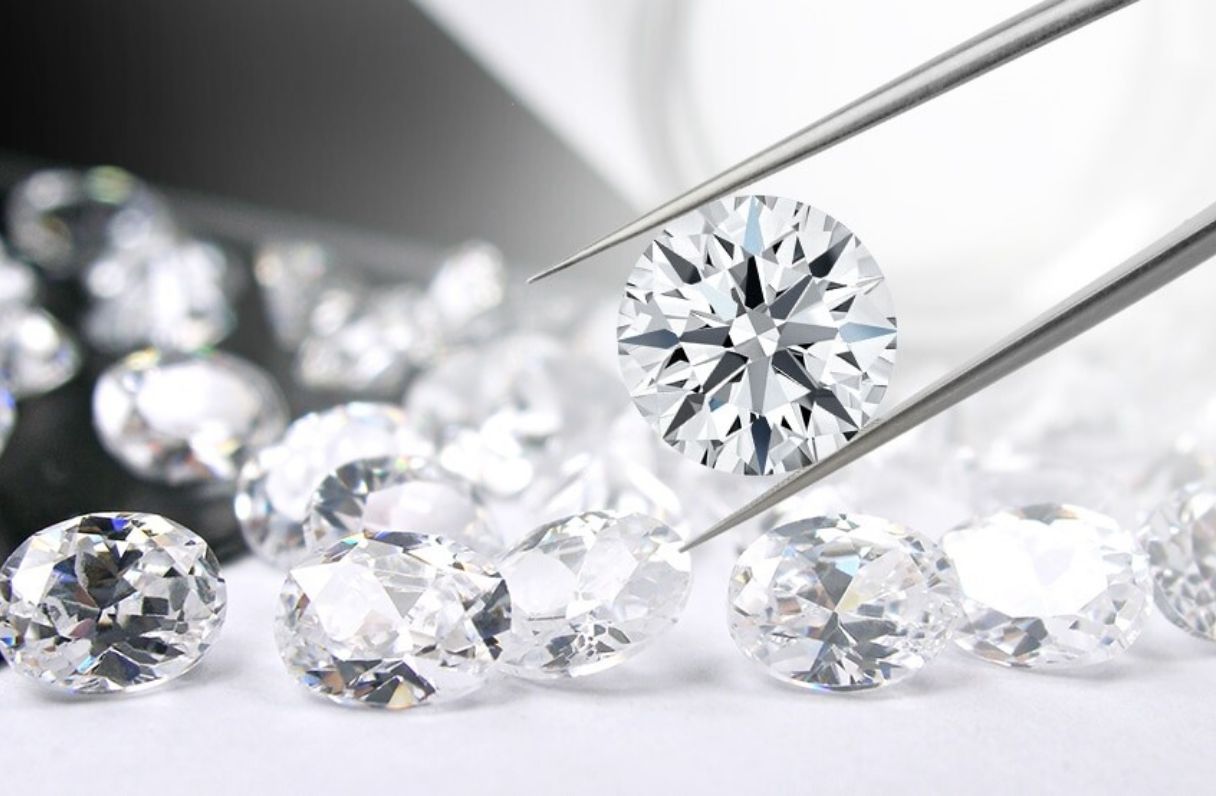
Lab Grown Diamonds What You Should Understand Before Buying
Picture a gem that feels just right, stands the test of time, yet doesn’t stretch your wallet. Here’s where lab created stones come into view. These gems are actual diamonds – grown under precise conditions rather than pulled from deep within the planet. Their makeup? Identical down to each atom and structure when compared to earth mined ones. Origin tells the whole story. While one takes eons forming beneath rock layers, the other emerges in weeks above ground. Weeks pass while tests unfold inside a lab. When looking at platinum or gold settings for lab diamonds, choices go beyond material alone. Cost plays a role, so does how well it lasts, what feels right morally, plus what matters years later. Clarity becomes key before any money changes hands. Facts line up here, along with clear actions, to move forward without guesswork.
Lab Grown Diamonds How They Are Made
One way works like this. Another takes a different path.
- Intense heat alongside crushing pressure mimics how things form deep underground. The conditions force changes slowly, just like over long stretches of time.
- Floating carbon gases slowly stack into a glowing stone, one sheet at a time. A quiet buildup happens under steady heat and pressure.
One way or another, these processes make stones that handle tests like natural ones. To your eye, there’s no visible gap between lab-made and earth-mined gems. Experts with years of study still require high-end gear to tell them apart. What matters most boils down to clarity. The stone you take home counts as genuine.
Buyers Pick Lab Grown Diamonds
A big factor? It’s about worth. These lab-made gems usually run thirty to fifty percent cheaper than similar natural ones. Because of that difference, there’s room to keep more cash or pick something better without spending extra. Here’s how it looks. Set a limit at five thousand bucks, and with earth-mined options, you could land a one-carat rock but clarity tends to be just so-so. A bigger gem might fit your budget when choosing a lab grown diamond rings platinum vs gold plus clearer stones come easier at similar prices. Sourcing transparency plays a role too, along with less harm to ecosystems during production. Knowing where things originate can carry weight if that aligns with your values. Price alone shouldn’t guide the whole decision though. The type of metal holding the stone weighs in just as much.
Lab Grown Diamond Rings Platinum Compared to Gold
Picking a setting for your lab created diamond? Think long term. Platinum stands up to wear without losing much mass. Gold keeps its shine but can scratch easier. One feels heavier in hand. The other changes shade as years pass. Each suits different lifestyles. Neither needs constant care. What matters most shows only after daily use.
Platinum
Heavy stuff, platinum. Its natural shade stays put without any extra coating. Density makes it sit differently on skin compared to lighter metals. White tone straight from the earth, no treatment needed. Weight adds presence – noticeable once worn. A bit more substantial than gold, yes
- Clasps dig deep, locking the stone tight. Gripping arms keep it from slipping free. Each corner anchored firm by thick metal claws. Holds fast even when brushed hard. Pressure evenly spread across four solid points.
- Stays clear without turning yellowish later on.
- Fine on delicate skin, built gentle by design.
Cons:
- Higher upfront cost.
- Some folks find bulkier loads tough to handle.
Patina shows up on platinum over time, thanks to everyday wear. A few folks find that appealing. High-shine lovers go for touch-up polishing now and then.
Gold
Pure gold bends too easily, so metals blend into it for tougher jewelry. Available shades include yellow, white, or pinkish hues you might notice on fingers. A shiny surface on white versions usually comes from a rhodium coat layered over top. That outer layer fades slowly, sometimes needing fresh coating later down the road. Benefits come with each type
- Price tag sits below platinum’s. Costs less when compared directly.
- Comes in a range of shades.
- Lighter weight.
Cons:
- Routine touch-ups could be needed for white gold finishes.
- Falling light when stacked beside platinum.
Possibly worth considering – platinum tends to hold up longer with less upkeep. On the flip side, gold brings a richer hue while starting off easier on the wallet.
Durability Meets Everyday Use
Facing constant rub each day is part of a ring’s life. Things like door knobs, gear at the gym, items used for cooking – all add up. What it’s made of changes how well it stands up over time. When scraped, platinum keeps every bit of itself intact. A small shift helps maintain sturdier prongs long term. Over time, even solid gold may thin, particularly lighter mixes. Since hands stay busy, platinum brings extra confidence for constant wear. When handled with attention, gold holds up nicely, staying reliable choice after choice.
Resale and Long Term Value
Over time, worth shifts in surprising ways. Unlike natural gems, lab created ones lose more value when resold. Because they can be made continuously, scarcity does not apply. This shapes what buyers will pay later on. Buying a ring for profit might not work out as planned. When chosen as a meaningful object, selling it later feels less important. Value hides in the material itself sometimes. Gold trades based on current rates every day. Platinum also follows market shifts closely. Weight plays a role – more platinum means greater mass inside. What made you want it in the first place? This matters way more than what others are doing right now.
Choosing the Right Combination
Start with these steps.
- A full cost plan must cover both gemstone and mount together. What you spend needs to fit everything in one number.
- Start by choosing how big the diamond should be, then pick its clarity level afterward.
- Compare metal costs after choosing the stone.
- Beside how you live, think about what upkeep feels doable.
A four thousand dollar budget might mean picking a lab grown diamonds with a gold band if you are after a one and a half carat size. When strength matters most, even at greater expense, go with platinum. See how each metal feels against your skin before deciding. Heavy feels different in your hand. Light shifts happen when you see the hue shift. Warmth comes through under yellow gold’s glow. Sharp clarity stays put with platinum’s cool finish.
Common mistakes to avoid
Carat weight isn’t everything. What makes a diamond shine often has less to do with how big it is, more to do with how well it’s cut. Reports matter – skip stones without documentation from trusted labs. Just because two metals appear alike under glass doesn’t mean they’re equal; one wears differently over time. How they act over time isn’t the same. Spend as much time as you need. When you can, look at them face to face before deciding.
Lab Grown Diamonds Are They For You
What truly matters to you. A bigger diamond without spending more. Ethical origin as a priority. Accepting it might not gain value later. Say yes to these, then man made stones align with what you seek. Mined diamonds might appeal if natural underground creation matters most, price aside. What fits best grows from personal priorities, not passing fads.
FAQ
Are lab grown diamonds real diamonds?
Exactly the same traits, chemically and physically, as those dug up from deep underground. What sets them apart boils down to where they come from. Formation path changes everything.
Gold often feels easier to live with every day.
Yet platinum holds up longer under constant use. One scratches less, the other resists fading better. Each choice depends on how you move through your routine.
Some value shine, others need toughness.
Pounding out years of wear, platinum holds its ground with tighter grip and less give. Where gold stands strong, it might ask for extra care as days stack up.
Do lab grown diamonds lose value?
Most of these stones sell later for less than natural diamonds do. Choose one because it matters to you, not because you expect profit.