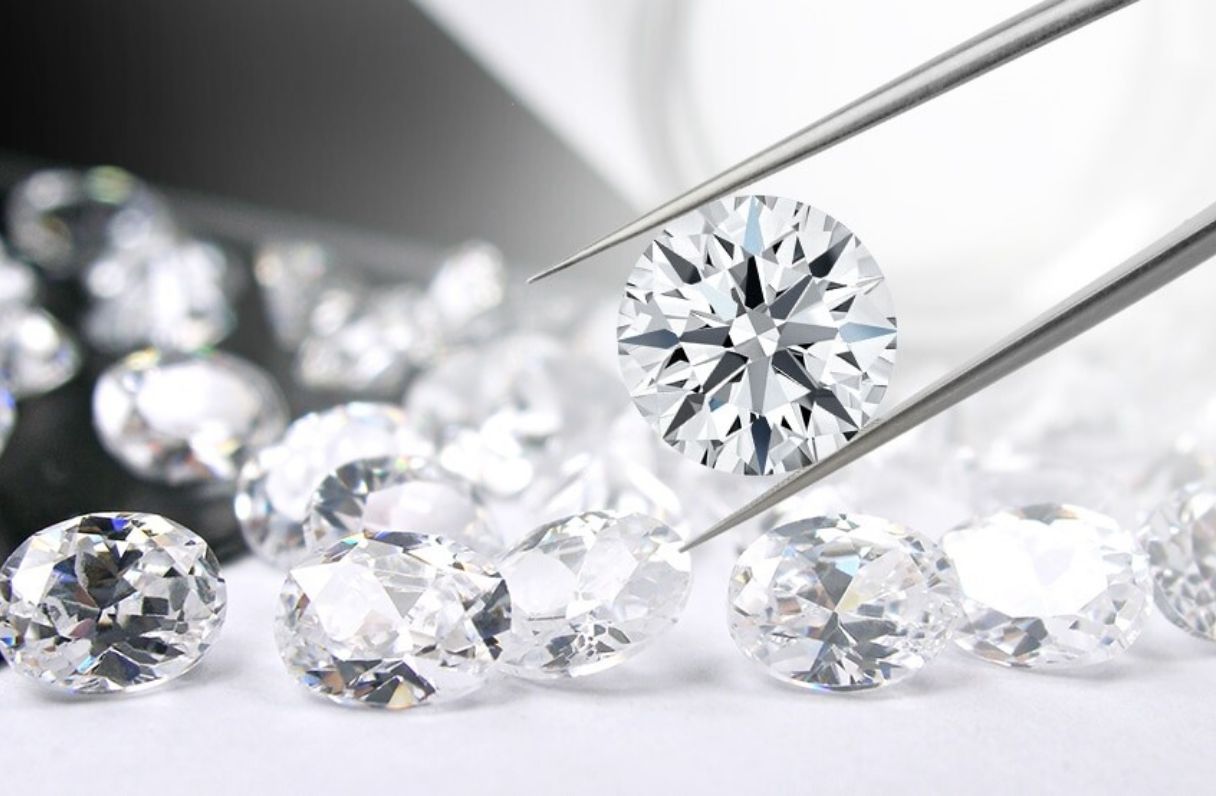
I’ll be honest — the first time someone mentioned loose lab grown diamonds to me, I pictured something niche, maybe even a bit experimental. The sort of thing only hardcore jewellery insiders talk about at trade shows, leaning in like they’re sharing a secret. But the deeper I went, the more I realised this isn’t some fringe trend. It’s a quiet shift happening right under our noses, and Australians are very much part of it.
I came at this story as a journalist who’s spent years covering lifestyle, design, and consumer shifts. I’ve written about everything from ethical fashion to sustainable housing. Diamonds, though? I thought I knew the basics. Turns out, I really didn’t. And if you’re reading this thinking, Yeah, diamonds are diamonds, you might be surprised too.
The idea of buying a diamond without a ring attached
Traditionally, diamonds arrive already decided for us. They’re locked into a ring, paired with a particular style, a price tag that feels oddly inflexible. You either take it or you don’t. Loose diamonds flip that script entirely.
A loose diamond is exactly what it sounds like — a standalone stone, not yet set into jewellery. That alone might not seem revolutionary. What’s changed is how people are using that freedom, especially when the diamond itself is lab grown.
I spoke with jewellers who told me more customers are coming in with sketches, Pinterest boards, or even heirloom settings from grandparents, asking for a stone that fits their vision. Not a display-case version of romance, but something personal. Something considered.
And lab grown diamonds slot into that mindset almost effortlessly.
Lab grown doesn’t mean “less than” — not anymore
Let’s clear something up, because this confusion still lingers. Lab grown diamonds aren’t simulants. They’re not cubic zirconia or moissanite trying to look like diamonds. They are diamonds — chemically, physically, optically identical.
The only real difference? Where they’re formed.
Instead of taking billions of years underground, lab grown diamonds are created in controlled environments that replicate natural conditions. The result is the same crystal structure, the same sparkle, the same grading standards.
What surprised me was how many gemologists quietly admit they can’t tell the difference without specialised equipment. To the naked eye — even a trained one — a well-cut lab grown diamond is indistinguishable from a mined stone.
Once that reality sinks in, the conversation shifts quickly from Are they real? to Why wouldn’t you consider one?
Why loose lab grown diamonds are catching on in Australia
Australia has always had a practical streak. We like value, transparency, and making informed choices. Loose lab grown diamonds tick all three boxes.
For starters, buying loose allows you to see exactly what you’re paying for. The cut, clarity, colour, and carat are front and centre, not hidden behind a finished design. There’s a sense of control there that many buyers appreciate, especially first-time engagement ring shoppers who don’t want to feel rushed or upsold.
Then there’s the cost factor. Lab grown diamonds typically come in at a lower price point than mined ones of comparable quality. Not cheaper because they’re inferior — cheaper because the supply chain is shorter and more predictable. That difference can mean a larger stone, a better cut, or simply money left over for the setting you actually want.
I’ve heard couples say, We’d rather spend on the design than the marketing myth. Hard to argue with that.
The ethical conversation feels different now
This part is personal. Years ago, I covered stories about conflict minerals and supply chain opacity. Diamonds were often at the centre of those discussions. While the industry has made improvements, concerns still linger for many buyers.
Loose lab grown diamonds offer an alternative that feels, well, calmer. There’s no wondering where the stone came from, no uneasy questions about environmental disruption or labour practices. The origin is known. The process is documented. For people who value that clarity, it’s a relief.
It’s not about shaming mined diamonds — many are sourced responsibly — but about choice. And choice matters.
Customisation: where loose stones really shine
One jeweller in Melbourne told me something that stuck: “People don’t want catalogue rings anymore. They want stories.”
Loose lab grown diamonds make storytelling possible. You choose the stone first, then build around it. Maybe it’s an oval cut because it reminds you of your grandmother’s ring. Maybe it’s a minimalist solitaire because you’re not into fuss. Maybe it’s something bold and unexpected.
I noticed that people who buy loose diamonds tend to be more involved in the process. They ask questions. They compare certificates. They take their time. There’s pride in that, like cooking a meal from scratch instead of ordering takeaway.
If you’re curious how that process works in practice, there’s a genuinely helpful guide on buying loose lab grown diamonds that breaks it down without the usual salesy fluff. I found it useful when I was researching how consumers actually approach this decision.
Investors are quietly paying attention too
This might surprise you, but not everyone looking at lab grown diamonds is planning an engagement. Some are investors.
Now, to be clear, diamonds aren’t shares. They’re not liquid assets you flip overnight. But there’s growing interest in high-quality loose stones as long-term value pieces, especially as lab grown technology improves and demand increases.
What investors like is consistency. Lab grown diamonds are graded to the same standards globally. There’s less variability caused by mining conditions. That predictability appeals to people who think in numbers, not romance.
It’s still early days, and anyone considering diamonds as an investment should do serious homework. But the fact that the conversation is happening at all says something about how far lab grown diamonds have come.
The emotional side of choosing a stone
Here’s the part I didn’t expect to feel.
When you buy a loose diamond, you spend time with it before it becomes jewellery. You hold it. You examine how it catches light. You imagine where it will sit, how it will be worn. There’s a pause between purchase and final form.
Several buyers told me that pause mattered. It gave them space to reflect on why they were buying it. Not just because it was time, or tradition said so, but because it felt right.
That emotional connection doesn’t disappear just because the diamond was grown in a lab. If anything, for some people, it deepens. It feels intentional.
How lab grown diamonds fit into a changing luxury mindset
Luxury is changing. It’s less about status now, more about alignment. People want purchases that reflect their values, their taste, their sense of self.
Lab grown diamonds sit comfortably in that shift. They’re modern, transparent, and adaptable. They don’t rely on scarcity narratives as much as craftsmanship and design.
If you zoom out, you’ll see this trend mirrored across industries — fashion, food, travel. Consumers are asking better questions. Diamonds are no exception.
I came across an interesting perspective while reading about how diamond markets are evolving globally, particularly in major cities. This piece on lab grown diamonds looks at how traditional hubs are adapting, and it adds useful context to where the industry might be heading.
Common misconceptions that still need busting
Despite all this progress, a few myths hang around.
One is that lab grown diamonds won’t “last”. In reality, they’re just as durable as mined diamonds. Same hardness. Same longevity. There’s no expiry date on a crystal lattice.
Another is resale value. Yes, lab grown diamonds currently have different resale dynamics than mined stones. But resale value shouldn’t be confused with worth. Jewellery is rarely a financial investment in the strict sense. Its value is often emotional, symbolic, deeply personal.
Understanding that difference can be freeing.
So, who are loose lab grown diamonds really for?
From what I’ve seen, they’re for people who like to be involved. People who ask questions. People who don’t mind stepping slightly outside tradition if it means something more meaningful.
They suit couples designing engagement rings together. Individuals commissioning statement pieces. Families resetting old jewellery with new stones. Even professionals buying their first “grown-up” piece for themselves.
There’s no single profile, and that’s kind of the point.
A quiet conclusion, not a sales pitch
If you’d asked me a year ago whether loose lab grown diamonds were worth serious attention, I might’ve hedged. Now? I think they represent one of the most interesting shifts in modern jewellery.
Not because they’re trendy. Not because they’re cheaper. But because they invite people into the process. They slow things down. They ask you to choose deliberately.
And in a world that’s constantly rushing us from one purchase to the next, that pause feels valuable.
Whether you end up choosing a lab grown diamond or not, understanding your options changes how you see the whole industry. You stop being a passive buyer and start becoming a participant.