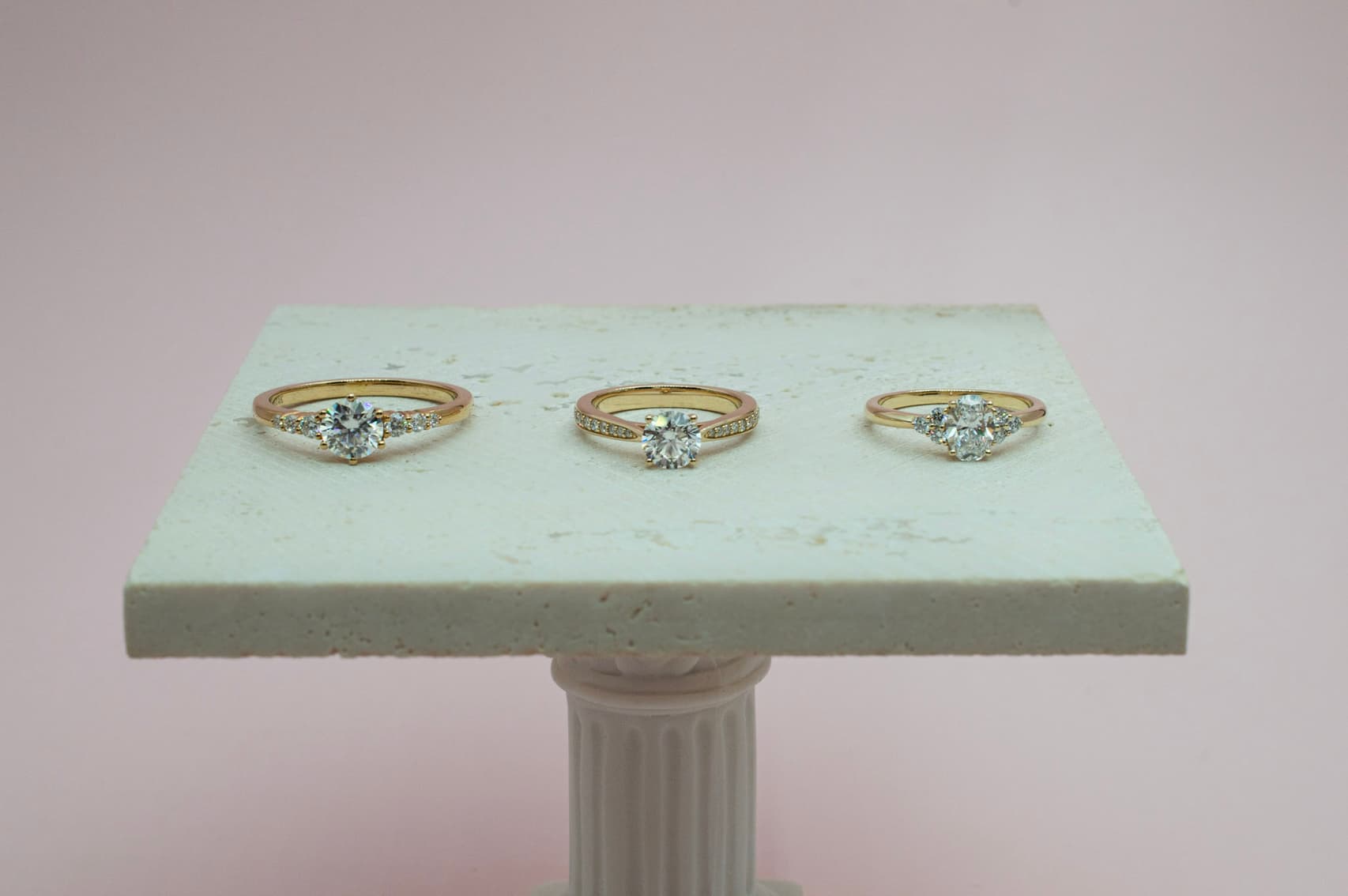
You might not know this, but the world of diamonds has changed a lot in just the past decade. Honestly, I was surprised when I first learned that not all diamonds are pulled from the ground. Today, a significant chunk of the market is filled with lab-grown diamonds — those sparkling gems created in a controlled environment rather than deep underground. And if you’re trying to understand the difference between HPHT vs CVD, lab grown diamonds, you’re not alone — it can get a little confusing at first.
Let’s start with the basics. Lab-grown diamonds are chemically identical to natural diamonds, which means they’re made of carbon, have the same hardness, and even sparkle under light in exactly the same way. The big difference lies in how they’re made. There are two main methods: High Pressure High Temperature (HPHT) and Chemical Vapor Deposition (CVD).
HPHT Diamonds: A Trip Back in Time (Sort of)
The HPHT method is fascinating. It’s actually an older technology — it’s been around since the 1950s, but modern advances have made it much more precise. In essence, HPHT mimics the natural diamond-forming process. You take carbon and expose it to extreme pressure and temperature, just like it happens deep in the Earth’s mantle. The result? A diamond that’s physically and chemically indistinguishable from mined stones.
One thing I noticed when I looked closer at HPHT diamonds is that they often have a slightly warmer hue. Some people love that subtle, golden undertone; others prefer a cooler, crisper look. It’s a bit like choosing between a warm cappuccino and an iced latte — both delightful, but with different vibes.
CVD Diamonds: The Modern Marvel
Then there’s CVD, or Chemical Vapor Deposition. This method feels futuristic. Scientists take a thin diamond “seed” and expose it to carbon-rich gases in a vacuum chamber. Over time, carbon atoms attach themselves to the seed and — voilà — a diamond grows layer by layer. The process is cleaner and allows for more control over color and clarity.
I remember speaking to a jeweller in Sydney who said CVD diamonds often have exceptional clarity. They can produce a truly colourless stone that looks like it came straight out of a magazine. That precision appeals to people who are very particular about every detail of their jewellery.
Comparing HPHT vs CVD, Lab Grown Diamonds
So, which is better? Well, it really depends on what you value. HPHT diamonds are traditional and rich in history, while CVD diamonds are precise, modern, and often slightly more eco-friendly due to lower energy requirements. Both methods produce diamonds that are real in every sense — just created differently.
One important note: if you’re buying a diamond, make sure your retailer clearly states which process was used. Some labs will even include a certificate indicating whether a diamond is HPHT or CVD. It’s a small detail, but it matters, especially if you’re investing in a piece that’s meant to last a lifetime.
The Environmental and Ethical Angle
You might already know this, but lab-grown diamonds have a strong environmental appeal. Mining diamonds can be incredibly disruptive to ecosystems and often comes with complex ethical concerns. By contrast, lab-grown diamonds — whether HPHT or CVD — avoid most of those issues. Personally, I find that aspect very comforting. Knowing that my purchase is cruelty-free and less damaging to the planet makes the sparkle feel even more special.
A Personal Take
I’ll admit — the first time I compared an HPHT diamond with a CVD one side by side, I was amazed at how similar they looked. But if I had to choose, I lean slightly toward CVD diamonds for their crystal-clear perfection. There’s something almost poetic about watching a diamond grow atom by atom in a lab, like witnessing nature’s patience compressed into a scientific marvel.
But here’s the kicker: neither choice is wrong. Whether you go with HPHT or CVD, you’re getting a diamond that’s sustainable, beautiful, and honestly, a bit magical. I’ve even written before about the rise of lab grown diamonds and how they’re changing the traditional jewellery market — and every time I see one, I’m reminded that innovation and tradition can coexist beautifully.
Final Thoughts
At the end of the day, learning about HPHT vs CVD, lab grown diamonds isn’t just about chemistry or technology. It’s about understanding value, ethics, and personal taste. It’s about making a choice that reflects who you are and what matters to you. And isn’t that what all jewellery should do?
So, next time you find yourself admiring a sparkling gem in a shop window or online, take a moment to consider the story behind it. Was it born in the Earth over millions of years, or carefully grown in a lab with precision and care? Either way, you’re holding a little piece of wonder — and that’s something worth appreciating.