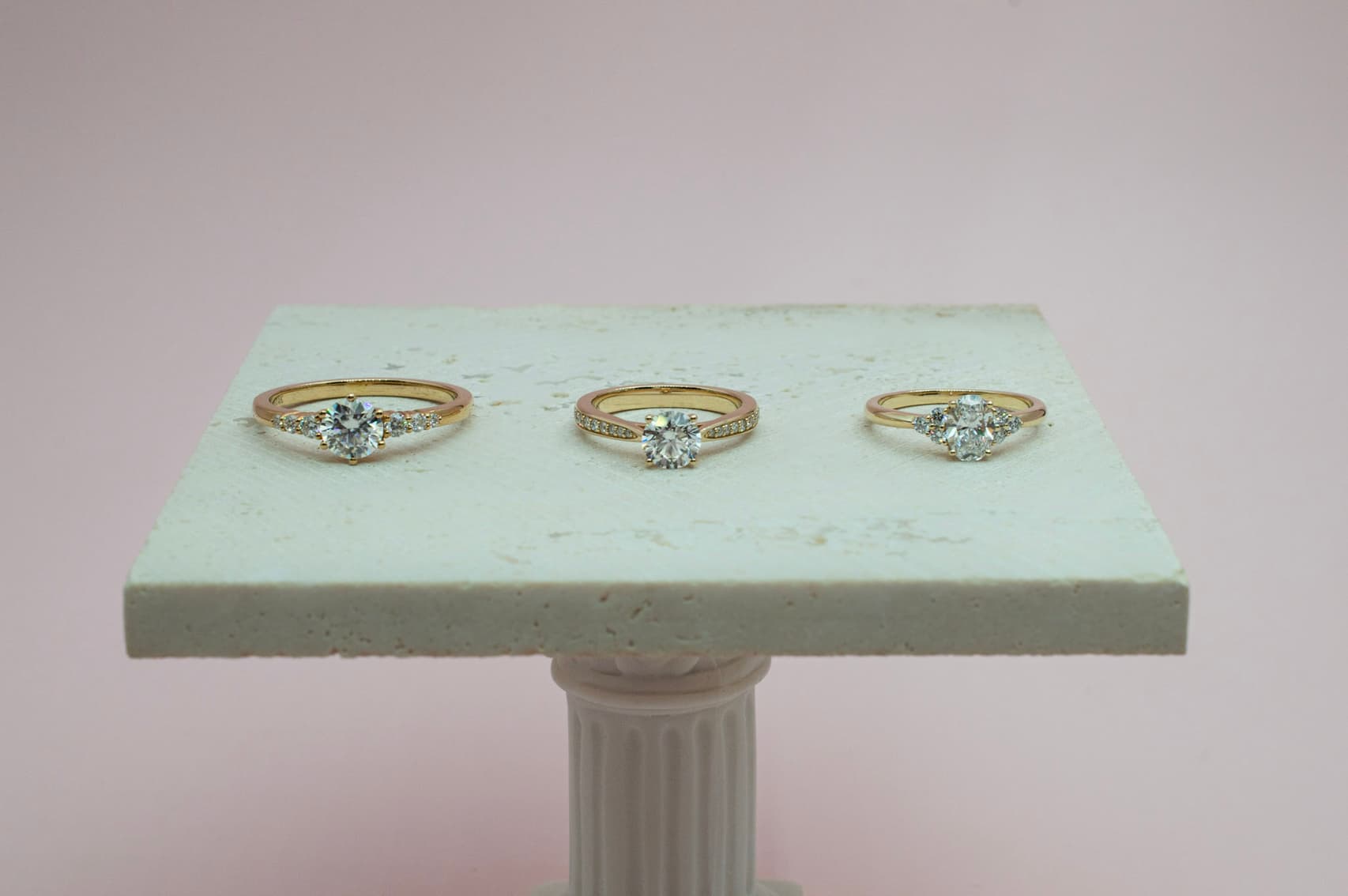
A two-carat diamond can look surprisingly different depending on its cut, proportions and setting. One may appear bright and balanced, while another carries extra weight in areas that contribute little to its visible size.
This distinction matters when shopping for an engagement ring, particularly with laboratory-grown diamonds making larger stones accessible at different price points.
For buyers in Hong Kong, understanding diamond quality, setting construction and long-term practicality can be more useful than simply comparing carat weights or advertised discounts.
What Makes a Lab-Grown Diamond Different?
Laboratory-grown diamonds are real diamonds produced under controlled conditions rather than formed naturally underground. They have essentially the same chemical composition, crystal structure and optical properties as mined diamonds.
Two primary production methods are used: High Pressure High Temperature (HPHT) and Chemical Vapor Deposition (CVD). Both can produce diamonds suitable for fine jewelry.
The distinction is origin, not whether the stone is a genuine diamond.
Lab-created diamonds also differ from diamond simulants such as cubic zirconia and moissanite, which have different material properties.
Their pricing can make larger diamonds or more elaborate settings accessible within a given budget. However, laboratory-grown diamonds should not automatically be regarded as environmentally sustainable or ethically superior without evidence supporting those specific claims.
Cut Quality Deserves Attention Before Carat Weight
Carat measures weight, not face-up dimensions. Two diamonds of identical carat weight can have noticeably different appearances because of their proportions.
For round brilliant diamonds, cut quality influences how effectively light returns through the crown. A well-proportioned diamond can appear lively, while a poorly proportioned stone may show unwanted darkness or light leakage.
A practical comparison should examine:
- Cut performance: Look for balanced brightness, contrast and sparkle rather than relying only on a grade.
- Measurements: Compare face-up diameter or length and width, not carat weight alone.
- Color: Assess whether any visible tint matters in the intended metal setting.
- Clarity: Prioritize inclusions that are not readily visible without magnification over unnecessarily high clarity grades.
For example, a visually clean VS2 diamond may offer the appearance a buyer wants without requiring a VVS1 clarity grade.
The actual position, size and visibility of inclusions still matter, particularly in larger stones.
Diamond Shape Changes More Than the Ring’s Appearance
Shape affects visual proportions, setting requirements and how comfortably a ring fits into everyday life.
Round diamonds offer a familiar, balanced appearance. Oval diamonds create an elongated outline and can appear relatively large for their carat weight, although some display a noticeable dark bow-tie pattern across the center.
Emerald cuts emphasize broad flashes of light and their step-cut structure can make inclusions easier to notice. Pear and marquise diamonds introduce pointed ends that require appropriate protection.
For elongated diamonds, the length-to-width ratio is especially useful. Two oval stones of similar weight may look quite different if one is noticeably narrower.
Rather than selecting a shape from photographs alone, compare stones of similar dimensions through videos taken under consistent lighting.
This makes differences in outline, brightness and contrast easier to assess.
The Setting Should Suit the Wearer’s Routine
A diamond’s setting determines much of the ring’s character, but it also affects maintenance and comfort.
A classic solitaire keeps attention on the center stone and generally offers a simpler design to clean. A pavé setting adds sparkle along the band but introduces small stones and additional metalwork that require inspection over time.
A bezel surrounds the diamond’s perimeter with metal, offering additional edge protection. It may be particularly appealing to someone who frequently catches jewelry on clothing or works with their hands.
Hidden halos add detail beneath the center stone, although their construction can influence ring height and wedding-band compatibility.
Before choosing a design, consider whether the wearer regularly uses gloves, handles equipment or prefers jewelry that sits close to the finger.
No setting is completely maintenance-free. Prongs can loosen, and even durable diamonds can chip after a sufficiently strong impact.
Choosing the Metal Without Overlooking Maintenance
Platinum and gold are established choices for engagement rings, but their wearing characteristics differ.
Platinum is naturally white and develops a patina through use. White gold typically receives rhodium plating to achieve a brighter white appearance, and that finish may need refreshing over time.
Yellow gold provides warmer contrast against a diamond, while rose gold offers a softer reddish tone.
Metal color can also influence how noticeable a diamond’s body color appears.
For a ring worn daily, band thickness, construction and finishing deserve attention alongside metal choice. An extremely delicate band may look attractive in a photograph but provide less material for long-term wear and future resizing.
Comparing Engagement Rings in Hong Kong
Local buyers often begin by comparing diamond specifications online before arranging an appointment or requesting customization details.
Browsing collections of lab grown engagement rings can help establish which diamond shapes, metal combinations and setting styles fit the intended budget.
However, meaningful comparisons require examining the complete ring rather than the center stone alone.
Ask whether the quoted price includes the setting, any applicable taxes, customization and resizing services. Confirm the expected production timeline, especially when planning around a proposal date.
For an online purchase, request accurate ring measurements and clarify how resizing, returns and after-sales inspections are handled.
A slightly smaller diamond in a thoughtfully constructed ring may prove more practical than a larger stone mounted in a setting that does not suit the wearer.
What Should a Diamond Grading Report Confirm?
An independent laboratory report provides useful information about a diamond’s identity and assessed characteristics.
The International Gemological Institute (IGI), for example, issues laboratory-grown diamond reports that can document the traditional four Cs: carat weight, color, clarity and cut.
The Gemological Institute of America (GIA) uses a different quality-assessment framework for laboratory-grown diamonds, so report terminology should not be assumed identical across laboratories.
Buyers should verify the report number through the issuing lab diamonds and check that the recorded measurements correspond to the diamond offered.
A grading report is not the same as an independent appraisal, a guarantee of investment value or an assessment of the finished ring’s craftsmanship.
Plan the Wedding Band Before Finalizing the Engagement Ring
Wedding-band compatibility is frequently overlooked during engagement ring selection.
A low-set center stone may prevent a straight wedding band from sitting flush against the engagement ring. Depending on the design, a curved or contoured band may be necessary.
The height of the center setting, prong arrangement and position of decorative elements can all influence the fit.
Buyers considering a matching bridal set should ask to see both rings worn together before confirming the design.
Ring sizing also deserves attention. Wider bands can feel tighter than narrow ones, and fingers naturally change size with temperature and activity.
Before placing a custom order, confirm the ring size, permitted design adjustments and whether future resizing could affect the setting or pavé stones.
These practical details help ensure the finished engagement ring remains comfortable, secure and compatible with the jewelry worn alongside it.