A diamond pendant can look simple at first glance, but small design choices have a noticeable effect on how it sits, catches the light and feels when worn. The size of the stone, the shape of the setting and even the chain attachment can change the overall appearance.
For someone shopping for a diamond necklace in Spain, the challenge is often finding a piece that suits both personal style and everyday use. A carefully selected pendant should feel comfortable, sit properly against the neckline and hold its stone securely.
The Diamond Shape Changes the Entire Look
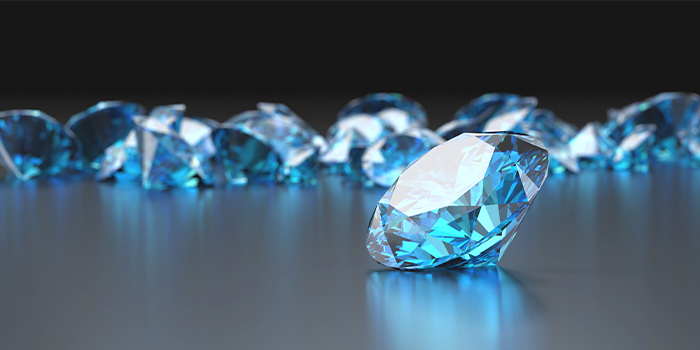
Round diamonds remain a popular choice for pendants because their symmetrical shape works with many jewellery styles. Their brilliant faceting creates noticeable sparkle, even in relatively small stones.
However, other shapes can produce a different effect:
- Oval: Creates an elongated appearance and can make a pendant look slightly larger.
- Pear: Combines a rounded end with a pointed tip, giving the design a graceful outline.
- Princess: Offers a square shape with a more defined, contemporary appearance.
- Emerald: Features step-cut facets that create broad flashes rather than the scattered sparkle associated with brilliant cuts.
The choice should depend on the intended design. For example, an oval diamond may suit a delicate vertical pendant, while an emerald-cut stone can work well in a more structured setting.
Carat Weight Is Only Part of the Decision
Carat measures a diamond’s weight, not its visible dimensions. Two diamonds with the same carat weight can appear different in size because of their proportions and shape.
This matters when selecting a pendant. A well-proportioned stone may have more visual presence than a heavier diamond with less favourable dimensions.
Cut deserves particular attention. A well-cut diamond reflects light effectively, while a poorly proportioned stone may appear less lively. Colour and clarity also influence appearance, although their importance depends partly on the diamond’s size and setting.
For smaller pendants, minor clarity characteristics may be difficult to notice without magnification. Buyers can sometimes prioritise a pleasing cut and attractive appearance rather than paying extra for a clarity grade that makes little visible difference.
Which Setting Holds the Diamond Securely?
The setting affects both appearance and protection.
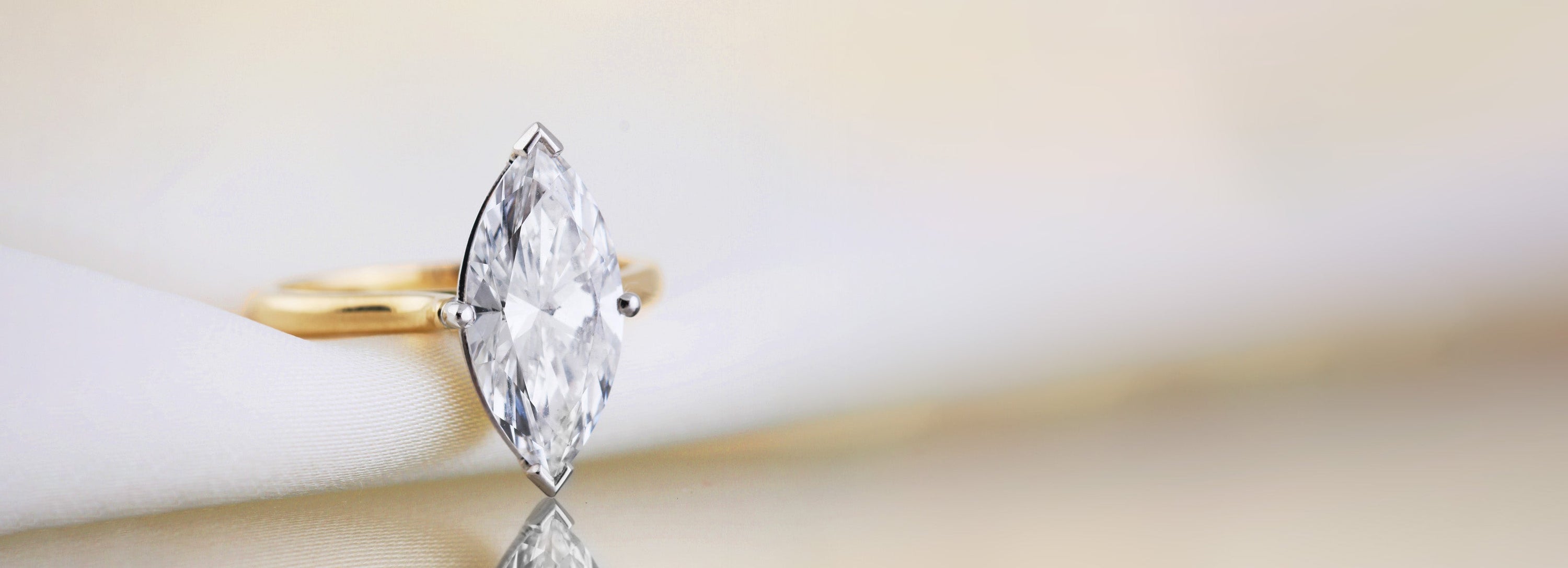
A prong setting uses small metal claws to hold the diamond in place. It allows light to enter from several directions, making it suitable for people who want a traditional sparkling pendant. However, exposed prongs should be checked periodically for wear.
A bezel setting surrounds the diamond with a metal rim. This provides additional protection around the stone’s edges and creates a clean outline. It can be a practical option for someone who wears their necklace frequently.
Halo settings place smaller diamonds around a central stone. They create a larger-looking design, although they also require more attention during cleaning because dirt can collect between the smaller stones.
Matching the Metal to Your Personal Style
Gold colour changes the character of a pendant.
Yellow gold gives a warm appearance and works particularly well with classic jewellery designs. White gold has a cooler finish that complements the bright appearance of colourless diamonds. Rose gold offers a softer pink tone and can create an interesting contrast with a white diamond.
In Spain, 18-carat gold is a useful specification to check when comparing fine jewellery. It is commonly marked 750, indicating 75% pure gold.
The metal should also match other pieces the wearer regularly uses. Someone who usually wears yellow gold earrings and bracelets may prefer a pendant in the same finish for a coordinated look.
Chain Length and Thickness Matter More Than Expected
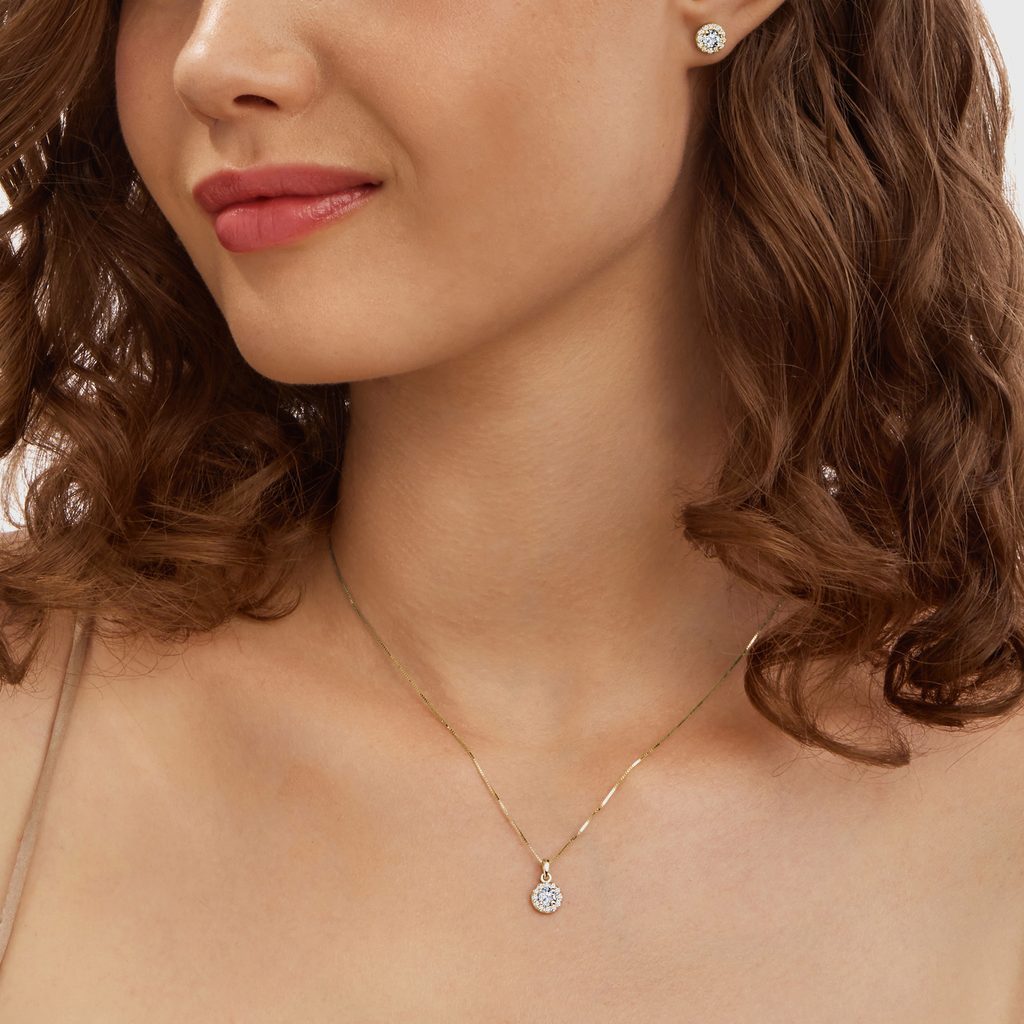
A pendant’s chain determines where the diamond rests. Shorter chains generally position the pendant closer to the collarbone, while longer options allow it to sit lower on the chest.
A chain that is too delicate may not suit a heavier pendant. The connection between the chain and the setting also deserves attention, as this small component supports the pendant during everyday movement.
Before ordering, check the chain length in centimetres, its thickness and whether the pendant can be removed. These details are especially useful when purchasing online, where photographs can make proportions difficult to judge.
Natural or Lab-Grown Diamonds?
Lab-grown diamonds have the same essential chemical composition and crystal structure as natural diamonds. Both are real diamonds, although their origins differ.
Natural diamonds form underground over geological periods, while laboratory-grown stones are produced using controlled processes such as Chemical Vapour Deposition (CVD) or High Pressure High Temperature (HPHT).
Both options can be assessed using the familiar diamond grading factors: cut, colour, clarity and carat weight. Buyers should check the grading documentation and confirm that the stone’s laboratory-grown or natural origin is clearly stated.
For shoppers comparing designs and specifications, colgante diamante is a relevant starting point for exploring diamond jewellery options.
Details to Confirm Before Placing an Order
Online jewellery purchases require a little more attention to lab grown diamonds because the actual proportions can be difficult to judge on a screen.
Before choosing a pendant, ask the jeweller:
- What are the diamond’s measurements in millimetres?
- Is a grading report available?
- What gold purity is used?
- Are the chain and pendant included together?
- Can the chain length be adjusted?
- What aftercare or repair services are available?
A diamond pendant should suit the wearer’s clothing, preferred metal and normal routine. Paying attention to the stone’s proportions, setting construction and chain measurements can prevent disappointment after delivery.