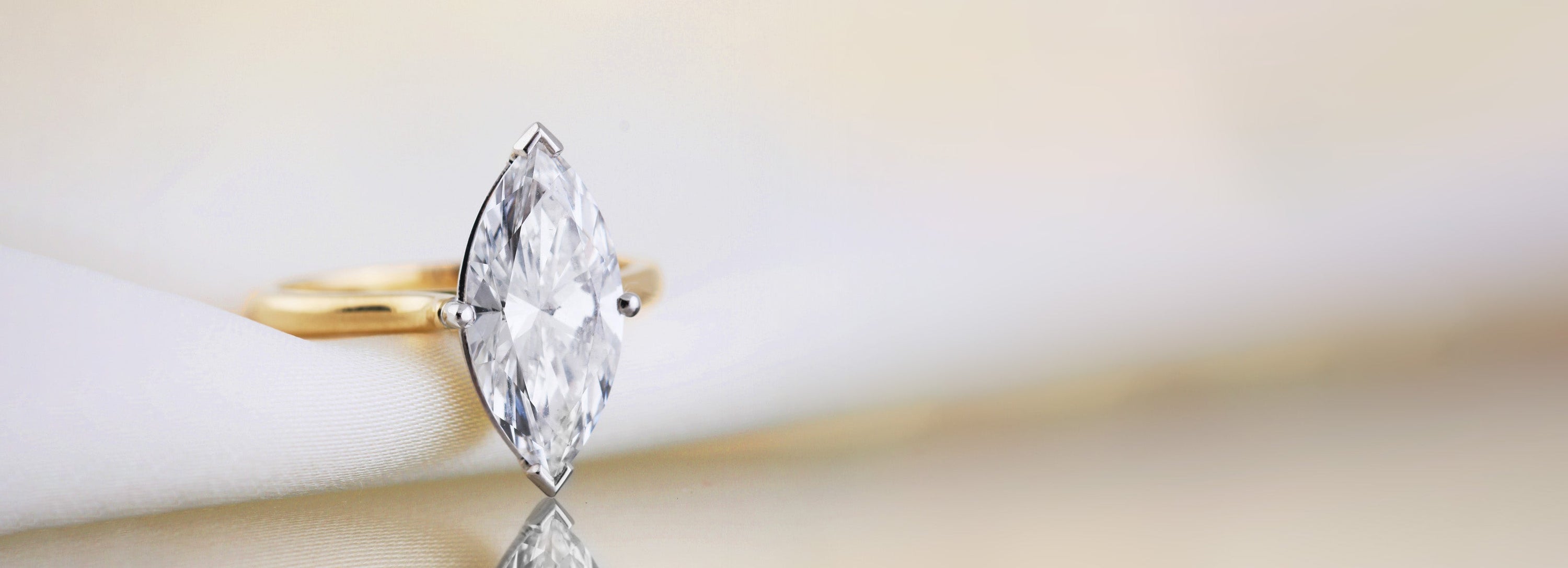
Two lab-grown diamonds can have the same carat weight and appear similar in photographs, yet look noticeably different when placed side by side. The reason often comes down to their grading characteristics. Understanding these differences helps buyers decide which specifications deserve their attention and where a compromise might make sense.
The traditional diamond grading system uses four characteristics: cut, colour, clarity and carat weight. These are known as the 4Cs. They apply to laboratory-grown diamonds as well as mined diamonds, giving UK buyers a consistent framework for comparing stones.
However, the grades do not tell the entire story. Knowing how each characteristic affects a diamond’s appearance can make the selection process considerably more straightforward.
Cut Has a Greater Effect on Appearance Than Many Buyers Expect
Cut describes how well a diamond has been proportioned, shaped and finished to interact with light. It is different from diamond shape, which refers to its outline, such as round, oval, pear or emerald.
A well-cut diamond returns light towards the viewer, creating brightness, sparkle and flashes of colour. Poor proportions can affect this performance, leaving a stone looking darker or less lively.
For round brilliant diamonds, cut grades are particularly useful because their proportions and facet arrangements can be assessed against established grading criteria. Other shapes, including oval and pear cuts, may not have an equivalent overall cut grade from every laboratory.
When comparing two stones, look beyond the headline grade where detailed information is available. Table percentage, depth percentage and symmetry can help explain differences in appearance.
For example, an oval diamond with a particularly elongated outline may appeal to someone who prefers a slender look. However, buyers should also inspect its light performance, including whether a noticeable bow-tie effect appears across the centre.
A higher cut grade is generally a sensible priority when sparkle is important, but visual inspection remains valuable.
Colour: Understanding What the Grade Actually Means
Diamond colour grading measures how close a white diamond is to being colourless. The commonly used scale runs from D to Z:
- D–F: Colourless, with little or no visible warmth.
- G–J: Near-colourless, with subtle colour differences that may be difficult to notice without comparison.
- K–M: Faint colour, which may become more apparent depending on the setting and diamond size.
- N–Z: Increasingly noticeable yellow or brown colour.
For many engagement ring designs, the near-colourless range offers a practical balance between appearance and specification.
The metal surrounding the diamond also matters. A white gold or platinum setting can make slight warmth easier to notice, particularly when comparing larger stones. Yellow gold may create a warmer overall appearance, making some near-colourless grades visually compatible with the design.
Rather than automatically selecting the highest available colour grade, compare diamonds in the metal you intend to wear. This gives a more realistic impression than examining a grading report alone.
Clarity: How Much Difference Can You Actually See?
Clarity refers to natural characteristics within a diamond, known as inclusions, and surface features, known as blemishes. Grading considers their size, number, position, nature and visibility under magnification.
The standard clarity categories include:
- FL and IF: Flawless and internally flawless.
- VVS1 and VVS2: Very, very slightly included.
- VS1 and VS2: Very slightly included.
- SI1 and SI2: Slightly included.
- I1, I2 and I3: Included.
A higher clarity grade does not automatically mean a diamond will look noticeably better without magnification.
For instance, a VS2 stone may appear clean to the unaided eye, while a diamond with a lower grade could have an inclusion in a more noticeable position. The size and location of an inclusion can matter as much as its overall quantity.
Buyers should request clear photographs or videos of the actual diamond. Pay particular attention to inclusions near the centre, since these may be easier to notice than characteristics close to the edge.
For many people, an eye-clean diamond offers a sensible compromise. Paying for a higher clarity grade may provide little visible difference in everyday wear.
Carat Weight: Size Is Only Part of the Decision
Carat measures a diamond’s weight, not its physical dimensions. One carat equals 200 milligrams.
Two diamonds with identical carat weights can have different face-up appearances because of their proportions and cutting styles. A shallow stone may look wider, while a deeper stone can carry more of its weight below the visible surface.
This distinction becomes particularly relevant when comparing different shapes.
An oval or pear lab created diamonds may appear larger than a round diamond of similar weight because its outline covers a greater visible area. However, actual measurements should be checked rather than relying on carat weight alone.
Setting design can also influence perceived size. A slim band may make the centre stone appear more prominent, while a halo setting adds surrounding diamonds that increase the overall visual footprint.
Before choosing a carat weight, consider finger coverage, ring proportions and how the stone will sit alongside a wedding band.
Comparing the 4Cs Without Overspending
The most suitable combination depends on the appearance you want and the features you are prepared to compromise on.
| Diamond characteristic | What to prioritise | Where flexibility may help |
|---|---|---|
| Cut | Strong light performance | Compare proportions and appearance |
| Colour | A grade that suits the setting | Consider near-colourless grades |
| Clarity | No distracting visible inclusions | Explore eye-clean options |
| Carat | Suitable face-up dimensions | Compare measurements, not weight alone |
For example, someone choosing a round brilliant solitaire might prioritise cut and then look for a near-colourless, eye-clean diamond. Another buyer selecting an oval centre stone may place greater emphasis on its length-to-width ratio, face-up measurements and bow-tie appearance.
These are different purchasing priorities, and neither requires selecting the highest grade in every category.
Does Lab-Grown Origin Change the Meaning of the 4Cs?
Laboratory-grown diamonds have essentially the same chemical composition, crystal structure and optical properties as mined diamonds. They are diamonds, rather than diamond simulants such as cubic zirconia or moissanite.
The same four grading characteristics are used to assess their appearance and quality. However, a grading report should clearly identify the stone as laboratory-grown and provide relevant information about its origin and characteristics.
When comparing reports, check the grading laboratory, report number, measurements, carat weight and individual grades. Independent reports from recognised organisations such as the International Gemological Institute (IGI) or Gemological Institute of America (GIA) can help buyers compare specifications.
The report should also correspond to the actual stone being offered. Ask the jeweller whether the report number can be verified and whether the photographs show the specific diamond rather than a representative example.
For additional buying guidance, 4Cs lab grown diamonds is a useful reference point when researching diamond specifications and comparing options.
The Setting Should Work With the Diamond You Select
Once the diamond specifications are settled, consider how the setting will protect and display the stone. A solitaire gives the centre diamond visual prominence, while pavé shoulders introduce additional sparkle. A bezel setting surrounds the diamond with metal, offering a different appearance and practical protection around its edges.
For everyday engagement ring wear, check the security of the prongs, the height of the setting and whether the design sits comfortably against neighbouring fingers. If you plan to wear a wedding band alongside it, ask to see the rings together. Some engagement ring settings leave a gap beneath the centre stone, while others require a shaped or curved wedding band.
The 4Cs provide a useful starting point, but measurements, visual appearance, grading documentation and setting compatibility complete the picture. Comparing these details together makes it easier to choose a lab-grown diamond that suits both your design preferences and your expectations for everyday wear.